
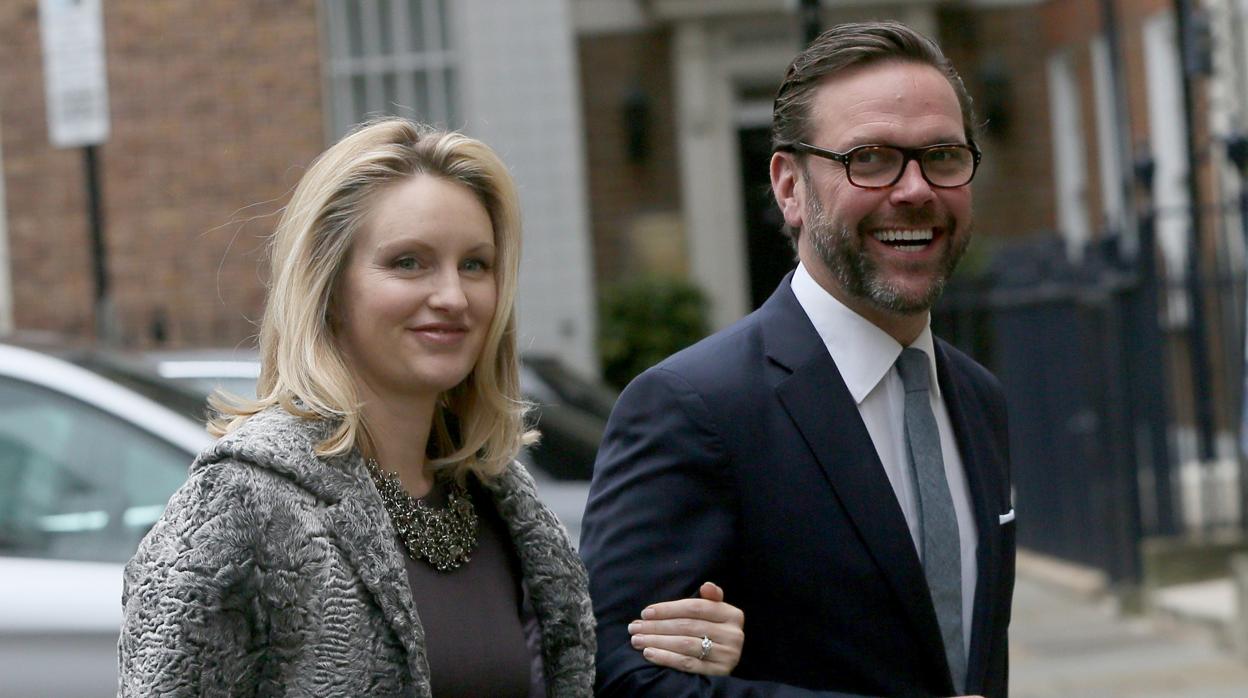

A possible acquisition could reshape the landscape of digital publishing and podcasting in the United States, as James Murdoch explores a deal that would expand his growing media portfolio.
The discussions come at a time when digital outlets face mounting financial pressures and shifting audience habits.
Recent developments indicate that James Murdoch may be maneuvering to purchase substantial parts of Vox Media, including the prominent New York magazine brand along with its digital and audio assets, and sources familiar with the situation report that Murdoch’s investment company, Lupa Systems, has been in conversations that could culminate in a transaction worth $300 million or more, though despite the apparent seriousness of these talks, it remains unclear whether additional bidders are participating or how far along the negotiations truly are.
The timing of this potential acquisition is notable. Digital media companies have been navigating a challenging environment marked by declining advertising revenues, increased competition for audience attention, and evolving consumption habits. Vox Media, once considered a leader in innovative online journalism and storytelling, has not been immune to these pressures. Exploring strategic options, including selling parts or the entirety of its business, reflects a broader trend across the industry as companies seek sustainable paths forward.
For Murdoch, the prospect seems to offer far more than a routine business deal, potentially serving as a deliberate move to broaden his reach within a media landscape evolving at high speed, and his current portfolio already reflects wide-ranging interests in narrative creation and content development, from participation in the Tribeca Film Festival to holding a notable share in an Indian entertainment company, while the addition of established editorial brands and a vigorous podcast network would further entrench his role across both traditional outlets and emerging media channels.
The strategic value of established editorial brands
Positioned at the forefront of these conversations is New York magazine, a publication long recognized for its cultural insights, political reporting, and lifestyle coverage. Its influence goes well beyond the printed page, spanning a suite of prominent digital verticals including The Cut, Vulture, and Intelligencer. Together, these platforms draw a wide readership drawn to subjects that range from fashion and entertainment to public policy and contemporary events.
These properties draw attention not only for their editorial authority but also for how effectively they adjust to evolving digital consumption habits. Over time, New York magazine has shifted from a classic print outlet to a versatile media brand. Its digital footprint attracts substantial traffic, and its stories frequently spark discussions across social networks and various other platforms.
Acquiring such a portfolio would provide Murdoch with an established foothold in the competitive U.S. media market. Unlike launching a new brand from scratch, purchasing a recognized name offers immediate visibility and influence. It also brings access to experienced editorial teams and loyal audiences, both of which are increasingly valuable in an era defined by information overload.
The rising significance of podcast networks
Another key component of the potential deal is Vox Media’s podcast division, which has become a cornerstone of its business strategy. The network includes a wide range of original programming, catering to diverse interests and demographics. Among its most prominent shows are “Pivot,” hosted by Kara Swisher and Scott Galloway, and “Today, Explained,” a daily news podcast known for its accessible approach to complex topics.
Podcasting has rapidly become one of the most dynamic areas in modern media, creating fresh avenues for advertising and enabling richer audience connection; unlike conventional written pieces, podcasts support extended narratives and naturally build rapport between hosts and listeners, and for investors such as Murdoch, the format offers an expanding opportunity to engage with a medium whose popularity continues to rise.
Owning a mature podcast network can also enhance other media assets by fostering cross-platform synergy, allowing content to be adapted, audiences to be shared, and advertising efforts to be coordinated across various formats, which becomes a valuable strength in an increasingly fragmented media environment.
A complex legacy and evolving identity
James Murdoch’s interest in pursuing Vox Media assets also highlights his own personal and professional path, shaped from an early age within one of the world’s most powerful media dynasties. As Rupert Murdoch’s youngest son, he was raised in an environment defined by vast influence, with his father’s empire spanning major outlets like Fox News and the New York Post, both of which have long held significant sway over public conversation.
Although James Murdoch has steadily forged a distinct trajectory for himself, he has frequently positioned himself apart from the editorial stance linked to his family’s enterprises. After holding the role of CEO at 21st Century Fox until 2019, he exited the company and subsequently left the Fox Corp board in 2020. At the time, various reports indicated that clashes over editorial principles played a role in his departure.
Since then, Murdoch has sought to redefine his identity within the media industry. His investments and public statements indicate a preference for content that aligns with a more moderate and globally oriented perspective. This shift is also reflected in his political engagement, including support for Democratic candidates and causes, which contrasts with the conservative leanings often associated with his father’s outlets.
Acquiring assets such as New York magazine and Vox’s podcast network could further strengthen this unique positioning, as these brands are widely regarded for delivering subtle, often progressive perspectives that may now resonate more closely with Murdoch’s present viewpoint.
Challenges facing the digital media industry
The wider backdrop surrounding this potential transaction is impossible to overlook, as digital media firms have grappled with multiple obstacles in recent years, among them shifts in ad revenue influenced by evolving technologies and changing audience habits, while the strong hold that major platforms like Google and Facebook maintain over digital advertising has increasingly limited publishers’ ability to secure a meaningful portion of the market.
As audience preferences continue to evolve, media organizations have been compelled to adjust on an ongoing basis, as readers and viewers engage with content on a wide range of devices and formats, frequently opting for brief or highly tailored experiences, prompting broader trials with subscription approaches, live events, and branded material as alternative sources of revenue.
Vox Media has adopted a range of approaches to address these challenges, including broadening its efforts in audio and video production, yet the ongoing pressure to sustain momentum and remain profitable in this landscape may have influenced its choice to consider a potential sale.
For potential buyers like Murdoch, these challenges can pose risks but also offer meaningful openings. Although the sector’s unpredictability may render investments less certain, it simultaneously provides room for those prepared to innovate and adopt a long-term perspective. By purchasing established brands and supporting their transformation, a new owner could uncover value that others have found difficult to achieve.
What a deal could mean for the future of media
If the acquisition proceeds, its effects might extend well beyond the firms directly engaged, as consolidation has grown into a prevalent trend across the media sector, where businesses pursue greater scale to remain competitive; by merging their assets and audiences, companies can curb expenses, strengthen their leverage with advertisers, and bolster funding for emerging technologies.
At the same time, such arrangements frequently prompt concerns about safeguarding editorial autonomy and upholding journalistic integrity. A publication’s identity is deeply connected to its distinct voice and viewpoint, and shifts in ownership can shape both. Observers will likely monitor closely how Murdoch handles these matters should he assume control of Vox Media assets.
Another important consideration is how the acquisition might shape the competitive landscape. Bringing together a strong editorial brand and a leading podcast network under a single ownership structure could create a more integrated media entity. This could, in turn, influence how other companies position themselves and pursue growth.
For audiences, the effects may unfold more gradually yet remain substantial in the long run, as ownership transitions can reshape content strategies, redirect investments, and alter the broader vision, and whether these adjustments elevate or lessen the overall media experience will largely hinge on how effectively they are carried out.
The reported discussions between James Murdoch and Vox Media highlight a moment of transition for the industry. As traditional boundaries between formats continue to blur and economic pressures persist, the ability to adapt and innovate has never been more important. Whether or not this particular deal is finalized, it underscores the ongoing evolution of media and the search for sustainable models in a rapidly changing world.
