
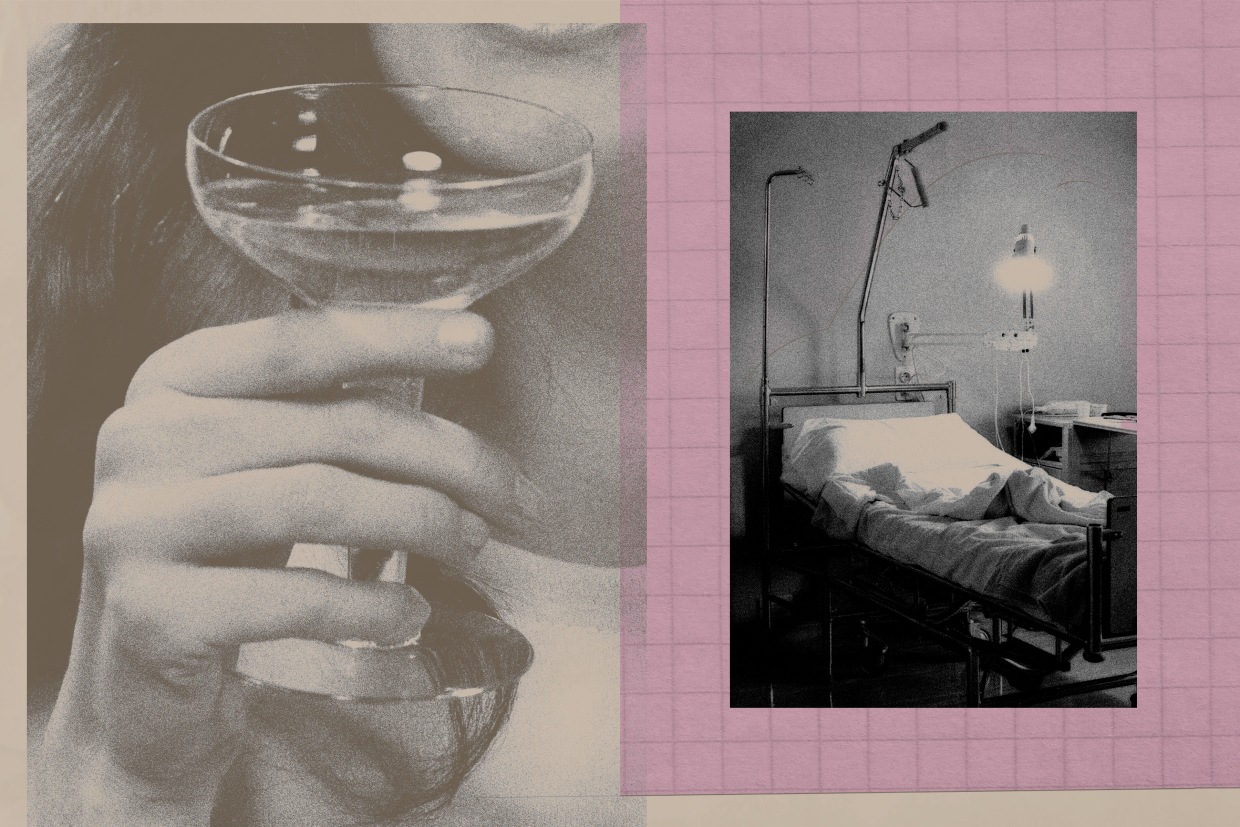

Across the United States, alcohol use among women has increased significantly in recent years, prompting growing concern over the health implications. Once generally consuming less than men, women’s drinking habits have not only caught up in frequency, but also pose greater biological risks—even at lower levels of intake. This trend is especially notable among women in their 30s and 40s, who have increased binge drinking and reported more symptoms of alcohol use disorders than previous generations.
Various factors seem to be contributing to this increase. There have been shifts in societal norms; women are now more inclined to postpone marriage and having children, further their studies, and embark on careers that provide increased financial stability and autonomy. Coupled with focused marketing efforts by alcohol companies, these shifts have promoted an environment where consuming alcohol is viewed as a common aspect of contemporary women’s lives. Additionally, stress and mental health challenges, especially during and following the COVID‑19 pandemic, have led numerous women to resort to alcohol as a means of coping.
While women overall continue to consume less alcohol than men, their bodies process alcohol differently. Women typically have lower water content and metabolize alcohol less efficiently, resulting in higher blood alcohol concentration from the same amount consumed. This physiological disparity makes women more vulnerable to damage even at moderate consumption levels, accelerating physical and mental health deterioration.
Health consequences tied to increased alcohol intake by women are distressing and varied. Liver disease is among the most alarming outcomes; women develop complications like alcoholic hepatitis or cirrhosis faster and with less alcohol exposure than men. Heart conditions—including hypertension and alcohol-induced cardiomyopathy—also appear more rapidly. Cognitive impairments are another concern, as women show signs of brain shrinkage and memory decline more quickly when they drink heavily. Emergency department visits related to alcohol have risen sharply among women over the past decades, surpassing the growth rate seen in men.
Cancer risk also features prominently in the conversation. Alcohol has been classified as a known carcinogen, and regular drinking—even as few as one drink per day—elevates a woman’s risk of developing breast cancer by approximately 10%. This risk compounds with higher levels of alcohol use. Other hormone-sensitive cancers may also be intensified due to effects on estrogen levels and cellular damage, adding further public health urgency.
Women who consume alcohol excessively have an increased risk of experiencing reproductive issues like menstrual disturbances, infertility, early onset of menopause, and pregnancy loss. Expectant mothers who drink alcohol endanger fetal development significantly, potentially causing conditions such as fetal alcohol spectrum disorders (FASD), along with elevated risks of stillbirth, premature delivery, and developmental challenges.
Mental health is another arena where alcohol’s impact is profound. Women who misuse alcohol are more likely to experience anxiety, depression, and self-harm. Alcohol-related mood swings, poor sleep, and emotional dysregulation often create a feedback loop—heightening the likelihood of further drinking to self-medicate stress or trauma. The stigma surrounding women and addiction can also make it harder for them to seek treatment, even as they face unique social judgments.
Data shows that alcohol-related deaths among women have risen dramatically in recent decades. Mortality rates linked to alcohol nearly doubled between 1999 and 2020, with especially steep increases among younger women in their late 20s and early 30s. Midwestern states in the U.S. have seen especially sharp spikes. In many communities, the rate of fatal liver disease, cardiovascular events, and alcohol poisoning deaths among women is outpacing that of men in percentage growth.
Part of this increase reflects what researchers call the “telescoping effect”: women progress more rapidly from first drinking to the onset of dependence and health complications compared to men. This effect, coupled with societal drivers like stress, marketing, and normalized alcohol use, creates a dangerous trajectory.
Despite the risks, awareness of safe drinking guidelines remains low among many women. U.S. public health recommendations suggest limiting alcohol intake to no more than one standard drink per day, or up to seven drinks per week. However, surpassing this limit—even occasionally—can carry real health consequences, especially for women with underlying conditions or risk factors.
To tackle the trend, a comprehensive strategy is needed. Medical experts highlight the necessity of early detection and assistance within primary healthcare. Short interventions in medical environments have proven effective in helping people decrease their alcohol intake. Enhanced public education initiatives might aid in conveying the unique effects of alcohol on women, and how even moderate drinking can increase the likelihood of breast cancer, liver issues, and mental health problems.
Policies that support prevention are also essential. Enhancing access to mental health services, reducing stigma around addiction treatment, and promoting alternatives to alcohol for stress management can mitigate harmful behavior. Community-based programs and gender-sensitive treatment centers may help women navigate recovery more effectively.
In addition, regulation of alcohol marketing—particularly campaigns that target women with messaging tied to empowerment or lifestyle—could reduce exposure to messaging that normalizes excessive drinking. Encouraging social settings and marketing to offer non-alcohol-based options can shift expectations around relaxation and celebration.
Equally important is embedding alcohol education within broader conversations about women’s health. Highlighting the risks linked to even light-to-moderate drinking—such as increased cancer risk or early cognitive decline—can help women make more informed choices. Healthcare providers can play a role by integrating conversations about alcohol into routine checkups and reproductive health visits.
Looking ahead, the increasing acceptance of excessive alcohol consumption among women continues to be an expanding public health issue. As the number of women who consume alcohol frequently or in large quantities rises, there is a potential rise in the load on healthcare systems and families—unless effective actions are implemented. Preventive measures, raising societal consciousness, and providing easily accessible support services are crucial in changing this trend.
Ultimately, understanding how women absorb alcohol differently, and how social patterns intersect with biology, should guide efforts to curb rising consumption. Acknowledging that alcohol poses unique risks for women—even at lower levels—is important for building public health responses that offer gender-specific solutions.
As ongoing studies shed light on this pattern, the need for urgency is evident: the increase in alcohol consumption among women transcends mere demographic changes; it is becoming a significant health issue that demands awareness, empathy, and prompt intervention.
