
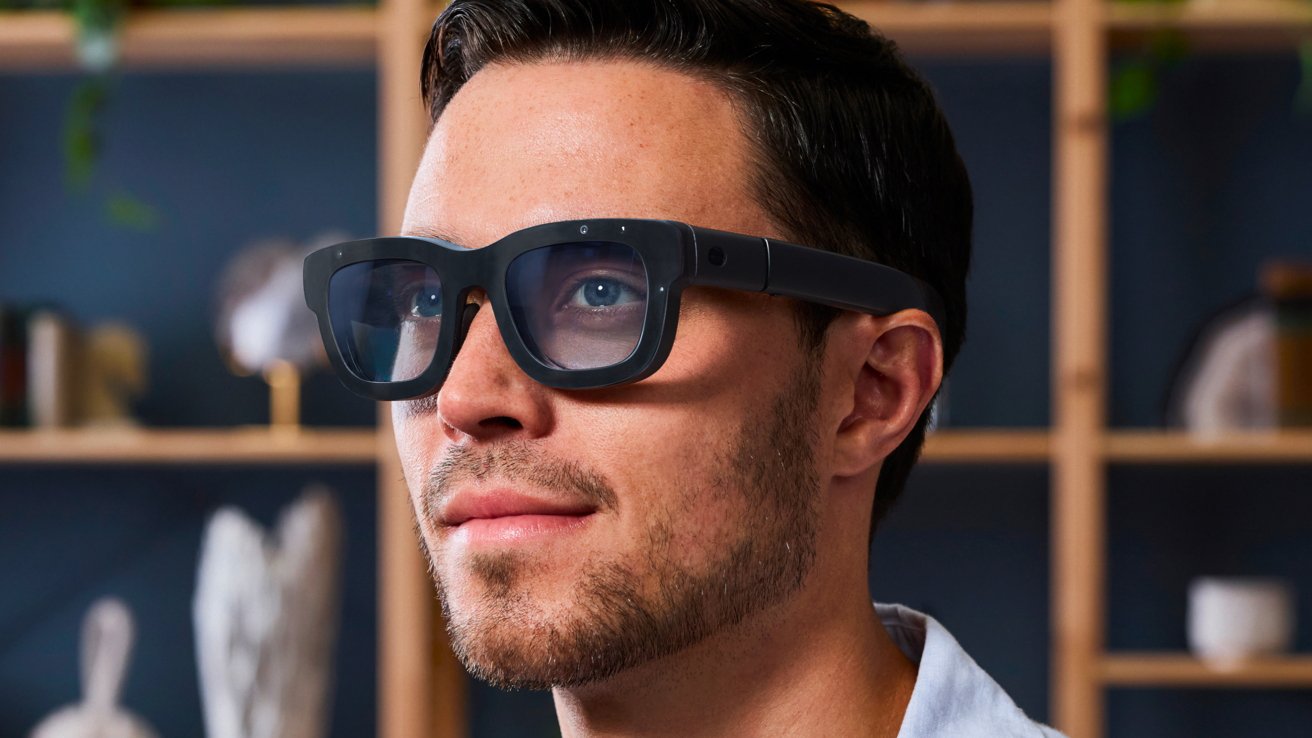

Augmented reality glasses and spatial computing platforms are moving from experimental products to foundational computing tools. This shift is driven by advances in hardware miniaturization, artificial intelligence, networking, and software ecosystems. Together, these trends are redefining how digital content blends with the physical world, changing how people work, learn, and interact with information.
Miniaturization and Wearability as Core Design Priorities
One major trend centers on creating lighter, more comfortable AR glasses that look much closer to ordinary eyewear. Earlier headsets were heavy and consumed significant power, which slowed their adoption. Newer models emphasize improved weight balance, slimmer waveguides, and energy‑efficient components.
- MicroLED and next‑generation OLED displays deliver greater luminance while drawing less power.
- Custom silicon, frequently engineered internally by leading platform makers, minimizes thermal output and extends battery performance.
- Refinements in optical waveguides provide broader viewing angles without adding lens bulk.
These improvements are vital for enabling broader use cases, from navigation and intricate enterprise workflows to long-lasting social interaction.
AI-Driven Context Awareness and On-Device Intelligence
Artificial intelligence is emerging as the central driver of spatial computing, as contemporary AR glasses depend more and more on embedded AI to analyze their environment, identify objects, and interpret user intent instantly.
- Computer vision models generate spatial maps of rooms, surfaces, and objects to place digital elements with precise alignment.
- Natural language processing enables conversational interactions that take the place of menus or physical controllers.
- Personalization engines tailor content according to user behavior, location, and individual preferences.
For example, enterprise AR platforms now offer real-time object recognition that can identify machinery parts and overlay step-by-step instructions, reducing training time and error rates.
Spatial Operating Systems and Platform Ecosystems
Spatial computing is no longer just about hardware; it depends on robust operating systems and developer platforms. A clear trend is the emergence of spatial operating systems that treat three-dimensional space as the primary interface.
Key features include:
- Long-lasting spatial anchors designed to retain the placement of digital items from one session to the next.
- Integrated development frameworks enabling applications to operate seamlessly on glasses, headsets, tablets, and desktop systems.
- Application marketplaces and revenue models crafted specifically for immersive environments.
This platform strategy reflects how the smartphone market evolved, as robust ecosystems became the decisive force shaping its leading brands.
Bringing Together Cloud and Edge Computing
AR glasses are increasingly designed as lightweight clients connected to powerful cloud and edge infrastructure. This reduces the need for heavy onboard processing while enabling advanced features.
- Edge computing minimizes latency, improving spatial mapping performance and supporting immediate collaborative interactions.
- Cloud rendering produces high-fidelity 3D imagery that surpasses what local hardware can generate.
- Shared spatial environments allow several users to observe and interact with the same digital components simultaneously.
Industrial and design teams already use these capabilities to collaborate on 3D models across continents, shortening development cycles and cutting travel costs.
Enterprise-Driven Adoption Accelerating Organizational Growth
While consumer adoption is growing steadily, enterprise use cases are shaping many platform decisions. Sectors such as manufacturing, healthcare, logistics, and field services provide clear return on investment.
- Remote support platforms help cut equipment downtime and lower travel costs.
- AR-directed assembly and maintenance enhance precision and overall efficiency.
- Medical visualization solutions assist with surgical preparation and training.
Industry analysts’ market data repeatedly indicates that enterprise AR implementations can yield task‑focused productivity improvements ranging from 20 to 30 percent.
Ethical Design, Privacy Safeguards, and Security Practices
As AR glasses constantly monitor their surroundings, growing privacy and security worries are influencing both technological development and regulatory frameworks, prompting platforms to adopt clearer recording signals, on‑device data handling, and more rigorous permission controls.
Current developments in this field encompass:
- Device-side processing that helps cut down on unnecessary data transmissions.
- Enterprise-grade encryption safeguarding spatial mapping and visual data.
- Design principles that clearly signal whenever cameras or sensors are in operation.
Trust is increasingly becoming a pivotal element that distinguishes consumer-facing products.
Open Standards and Effortless Interoperability
Another important trend is the push toward interoperability across devices and platforms. Developers and enterprises increasingly demand standards that prevent lock-in and allow shared spatial data.
- Versatile, open file formats created for handling 3D assets and spatial mapping tasks.
- Cross-platform APIs that enable tracking, gesture-based interactions, and the application of spatial anchors.
- Seamless interoperability spanning AR glasses, mixed reality headsets, and mobile devices.
This trend boosts ecosystem vitality while speeding up innovation by lowering development barriers.
The Broader Shift Toward Ambient Computing
AR glasses and spatial computing platforms reflect a wider shift toward ambient computing, a realm where technology fades into the backdrop and reacts intuitively to how people interact. Screens no longer remain limited to static rectangles; rather, information emerges precisely at the moment and place it is required.
The convergence of lightweight hardware, intelligent software, and connected infrastructure suggests a future where digital layers are seamlessly woven into physical spaces. As these trends mature, spatial computing is poised to become as fundamental as mobile computing, reshaping daily life not through spectacle, but through subtle, persistent presence.
