
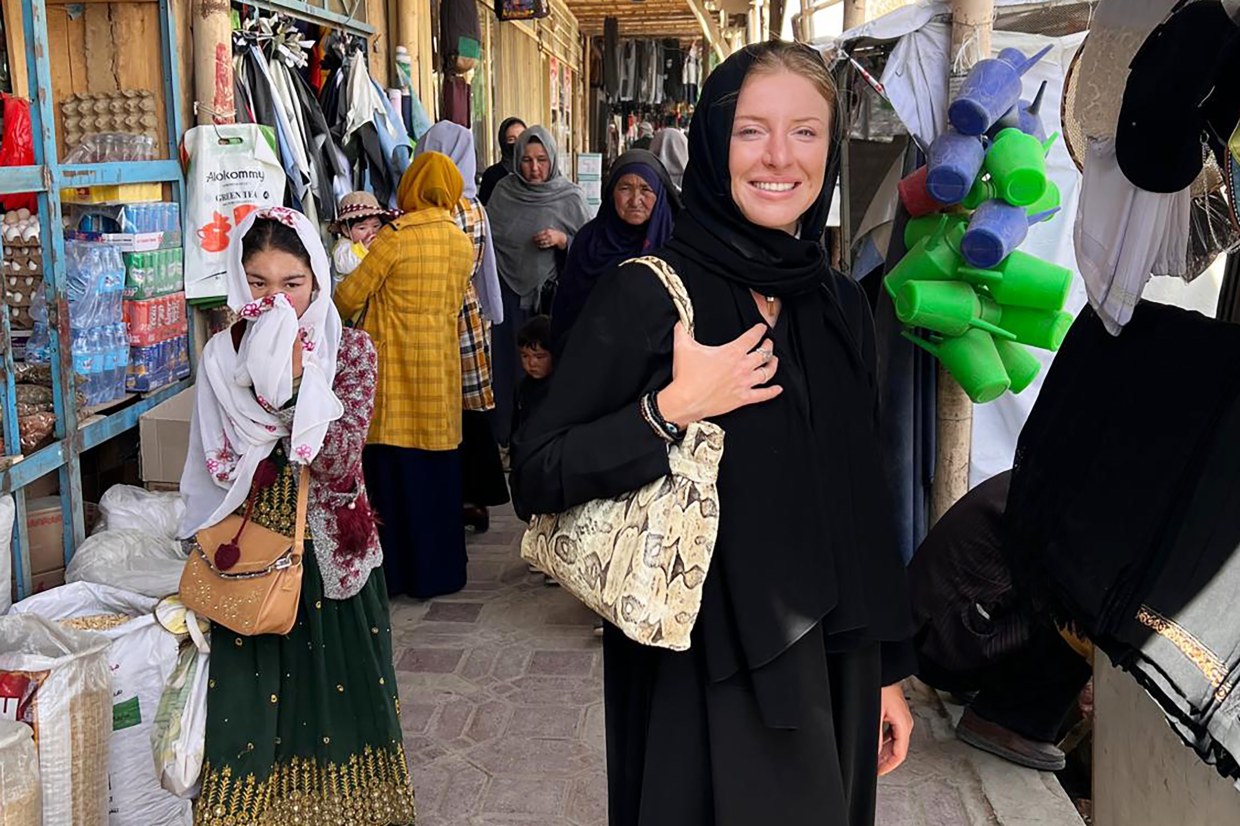

Over the past few months, Afghanistan, now under the rule of the Taliban, has unexpectedly attracted global travelers once again. This renewed interest is largely fueled by travel influencers active on social media sites. Through their engaging videos, captivating photos, and compelling stories, these digital creators have piqued interest and motivated a specific group of daring travelers to visit a country traditionally linked to turmoil and uncertainty.
Although there are widespread worries regarding security and human rights with the Taliban in power, certain influencers have shown Afghanistan’s rich cultural past, stunning scenery, and historical spots from a fresh perspective. By offering captivating experiences from places like Kabul, Herat, and Bamiyan, they have emphasized the nation’s age-old customs, architectural wonders, and scenic allure—features frequently eclipsed by reports of political unrest.
The phenomenon is part of a broader trend in the travel industry, where social media personalities wield significant power in shaping destination choices. Their ability to reach millions of followers with compelling, authentic storytelling has transformed remote or previously off-limits locations into emerging tourism hotspots. Afghanistan, once deemed too dangerous for most visitors, is now attracting a small but growing group of intrepid travelers motivated by these online portrayals.
Numerous influencers highlight their engagements with local populations, displaying Afghan warmth, food, and crafts, which contradict common misconceptions about life under Taliban rule. Through documenting trips to markets, religious locations, and countryside communities, they offer a detailed outlook that weighs an understanding of risks with a regard for the nation’s cultural richness.
Yet, the heightened curiosity in travel prompts intricate inquiries regarding security, moral considerations, and the consequences of tourism in an area ruled by a regime with a disputed human rights track record. Global travel warnings persist in advising against unnecessary journeys to Afghanistan, noting dangers such as abduction, terrorism, and oppression. Authorities, non-governmental organizations, and security specialists advise tourists to proceed with utmost caution and to perform comprehensive risk evaluations prior to arranging travels.
The role of travel influencers in promoting tourism to Afghanistan has sparked debate within the industry and among policymakers. Supporters argue that responsible travel can foster cross-cultural understanding, provide economic opportunities for local communities, and challenge monolithic portrayals of conflict-affected countries. Responsible tourism advocates stress the importance of respecting local laws, customs, and sensitivities, especially in contexts with volatile political dynamics.
Conversely, critics express concern that glamorizing travel to Taliban-controlled Afghanistan may inadvertently downplay security dangers or ignore the ongoing plight of vulnerable populations, particularly women and minorities. There is also apprehension about the limited infrastructure and support systems available for tourists, which could put travelers at significant risk in emergencies.
Tour operators specializing in Afghanistan travel have reported a cautious but notable uptick in inquiries and bookings. Some niche adventure travel companies have started offering curated itineraries focusing on cultural heritage and natural exploration, often accompanied by expert guides familiar with the region’s security landscape. These services emphasize stringent safety protocols and close coordination with local contacts to mitigate risks.
The renewed curiosity in travel also underscores Afghanistan’s historical role as a meeting point of cultures and a region of significant geographical variety. From the snow-covered summits of the Hindu Kush mountains to the age-old Buddhist caves of Bamiyan and the lively marketplaces of Herat, the nation offers distinctive attractions that intrigue those adventuring beyond the usual tourist routes.
Economic analysts indicate that a rise in tourism, when handled properly, can supply essential income avenues for communities facing economic hardships and instability. The area’s hospitality industry, which encompasses inns, dining establishments, and local craftsmen, can gain advantages from even a slight increase in tourist visits. Nonetheless, developing tourism infrastructure sustainably is still a difficult task owing to the nation’s persistent political and security limitations.
International entities operating in Afghanistan stress the importance of strategies that uphold human rights and foster economic stability. There are calls for collaboration with local partners to develop responsible tourism initiatives that focus on benefiting the community and reducing adverse social effects.
The Taliban’s approach to tourism is both careful and occasionally inconsistent. Although some representatives have shown a willingness to encourage visits to the country’s cultural attractions, limitations on women’s roles in society, restrictions on free speech, and strict adherence to religious norms continue to influence the tourism landscape. These aspects make expansive tourism development challenging.
As travel influencers persist in shaping the image of Afghanistan, the upcoming months will unveil how this digital-inspired curiosity turns into tangible effects in reality. Analysts mention that tourism in Afghanistan, under Taliban control, is expected to stay a specialized market, appealing mainly to very experienced travelers who are willing to take risks.
The relationship between online media, global politics, and tourism in Afghanistan highlights the changing dynamics of international travel patterns. Although the nation’s path forward is unclear, the influence of narrative through social networks is clearly altering how distant and intricate locations are perceived and approached in our connected world today.
