
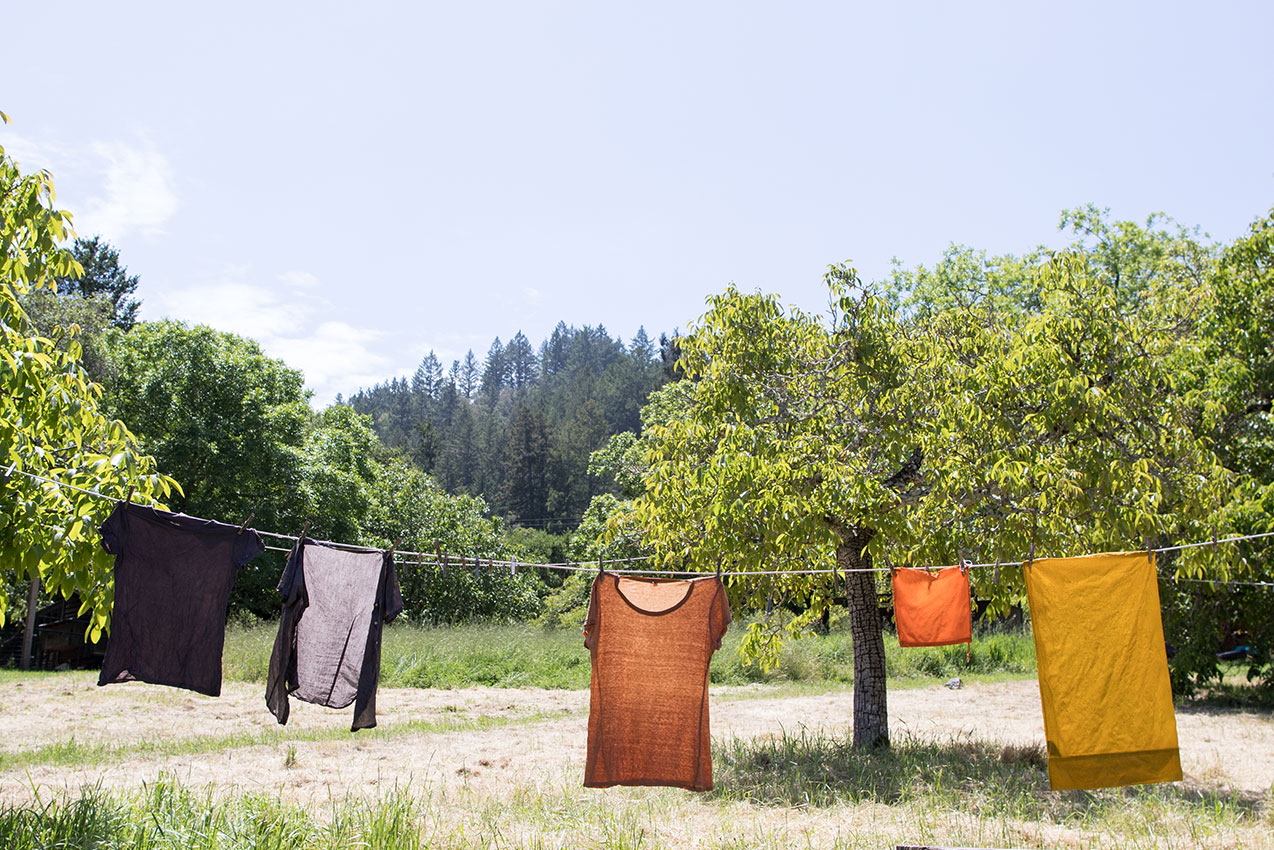

The buzzword “regenerative fashion” has been gaining traction in the fashion industry, heralding a new era of sustainability that surpasses the conventional “reduce, reuse, recycle” paradigm. But what exactly is regenerative fashion? Essentially, it refers to fashion practices designed to restore and rejuvenate ecosystems and communities rather than merely mitigating harm. It is an approach deeply rooted in the principles of regenerative agriculture, which prioritizes soil health, biodiversity, and ecosystem balance.
Core Principles Guiding Regenerative Fashion
The foundation of regenerative fashion rests on several key principles:
1. Regenerative Production: In contrast to conventional manufacturing that drains natural resources, regenerative fashion aims to restore and enrich the ecosystems where it functions, often by adopting farming practices that boost soil vitality or by sourcing materials from farms that follow holistic grazing and permaculture principles.
2. Ecosystem Integration: Regenerative fashion takes into account the broader ecosystem, encompassing both human and wildlife communities. Brands might participate in initiatives that foster biodiversity or collaborate with local conservation projects to help safeguard the well-being of everyone impacted by or engaged in the fashion supply chain.
3. Circularity and Beyond: While circular fashion emphasizes eliminating waste through closed-loop systems, regenerative fashion goes a step further by creating systems that not only avoid waste but contribute positively to the environment. This includes designing products for longevity and biodegradability, utilizing compostable materials, and ensuring all elements can be returned to the earth safely.
Practical Real-Life Illustrations
Several fashion brands and initiatives are pioneering the movement towards regenerative practices:
Pioneering Brands: Companies such as Patagonia and Fibershed stand at the leading edge of this movement. Patagonia has directed resources toward securing regenerative organic certification for its cotton supply, ensuring the materials not only comply with environmental criteria but also contribute to ecosystem renewal. Fibershed collaborates with regional farmers to create textiles that improve soil vitality while strengthening the local economy.
Community Empowerment: Projects like the Cotton Diaries aim to bring transparency and community involvement into the regenerative fashion narrative. By telling farmers’ stories and promoting collaborative efforts, they highlight the socio-economic benefits of regeneration in fashion.
Challenges and Opportunities
Although regenerative fashion shows considerable potential, it still encounters major obstacles:
Scale and Adoption: One of the primary challenges is scaling these practices to meet global demand. Many regenerative methods require specific knowledge and resources that are not widespread within the industry. Moreover, convincing stakeholders to shift mindsets from profit-centric to ecology-centered involves intense advocacy and education.
Certification Complexity: Unlike organic certifications, regenerative agriculture lacks a universally recognized certification system, making it challenging for consumers to identify genuinely regenerative products. However, initiatives are underway to establish clear guidelines and certifications to help consumers make informed choices.
Despite these hurdles, embracing regenerative fashion can yield remarkable advantages, offering brands not only environmental redemption but also stronger brand value, deeper consumer trust, and the possibility of long-term financial efficiencies supported by more reliable resource access.
The Future of Regenerative Fashion
With increasing consumer awareness and demand for sustainable practices, the shift towards regenerative fashion appears both inevitable and necessary. As designers, producers, and consumers alike begin to embrace this approach, we are looking at a future where fashion not only reflects personal style but also contributes meaningfully to planetary health. Regenerative fashion, therefore, represents a profound opportunity to realign the industry with the natural rhythms of the earth, fostering networks of life that thrive beyond mere survival.
Through these efforts, fashion can transform from an industry notorious for its ecological footprint to a spearhead of global sustainability and regeneration, proving that creativity, commerce, and conservation can coexist harmoniously in the modern world.
