
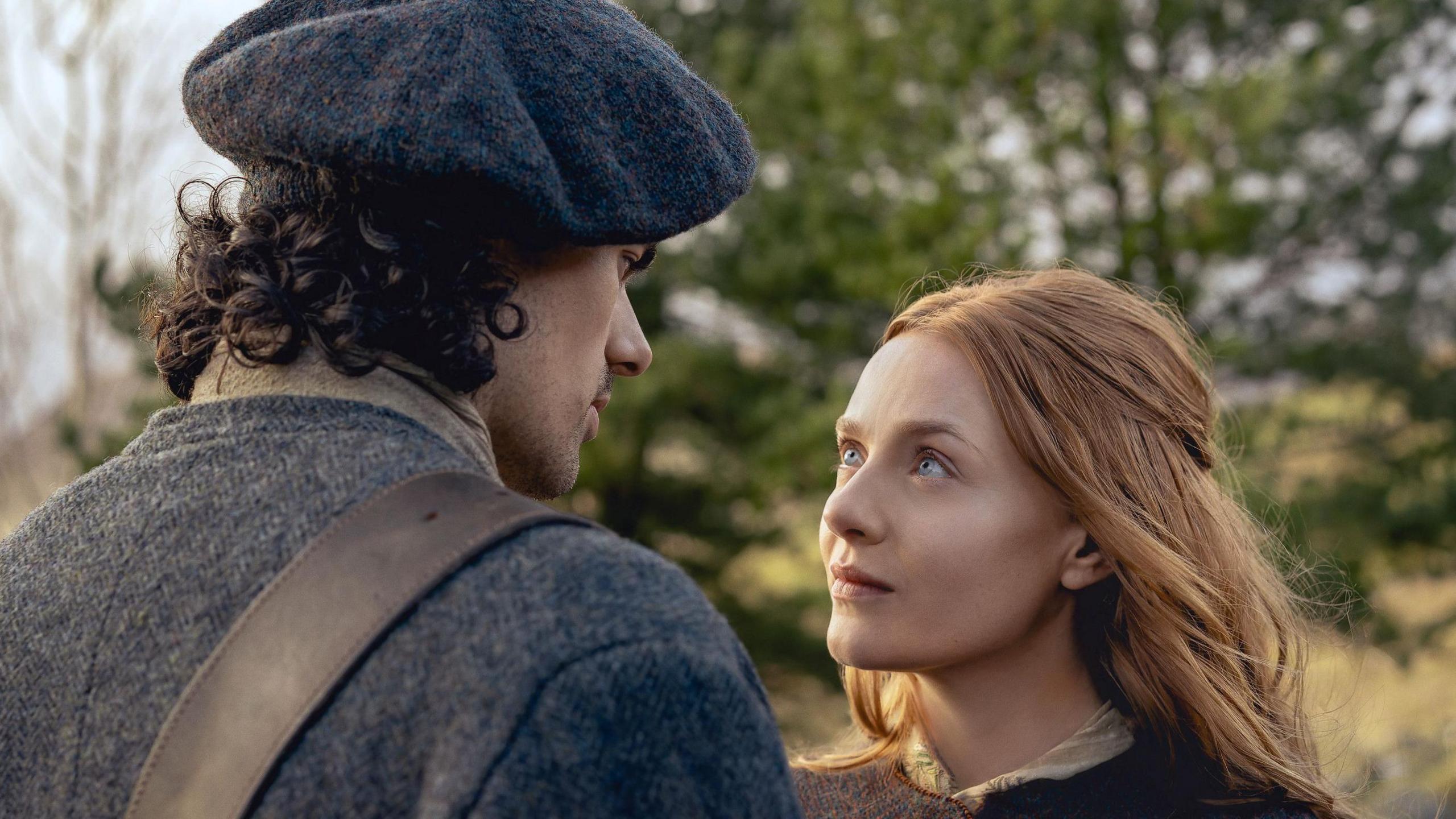

The cultural influence of the Outlander TV series and book collection keeps altering travel habits long after its initial release. Stemmed from Diana Gabaldon’s popular novels, the period drama has motivated numerous followers to explore filming sites throughout Scotland and other places, resulting in an unforeseen economic benefit for the locations showcased in the show.
Scotland has witnessed a remarkable increase in tourism directly linked to the series. The number of visitors at famous locations such as Doune Castle (representing Castle Leoch) and the Palace of Holyroodhouse has risen significantly since the show debuted. Local tour operators state that there is a steady interest in Outlander-themed experiences, ranging from guided excursions to genuine Jacobite history tours. The Scottish tourism board attributes the series for showcasing the nation’s landscapes and historical richness to new audiences across the world.
Beyond Scotland, the Outlander effect has rippled across other European locations used in production. Fans now regularly include stops in Czech Republic filming sites and French châteaux featured in later seasons. This expanded interest has helped smaller communities develop sustainable tourism economies built around their Outlander connections. Many local businesses have adapted by offering period-inspired accommodations, dining experiences, and cultural programming tied to the show’s 18th-century setting.
Industry analysts identify several factors behind Outlander’s enduring tourism appeal. The series’ lush cinematography showcases landscapes as integral characters in the story, creating powerful visual associations for viewers. Detailed historical elements spark interest in learning about actual events and locations. Perhaps most significantly, the emotional connection fans develop with characters translates into a desire to walk in their footsteps.
Travel companies have created tailored itineraries for varying degrees of fan interest. Certain tours are dedicated solely to exploring filming sites, while others blend in comprehensive historical background concerning the Jacobite uprisings and life in the 1700s. High-end options feature accommodations in castles and exclusive entry to typically off-limits areas. Fans who cannot travel abroad are now able to join in via online tours and digital experiences.
The economic impact extends beyond direct tourism spending. Many visitors inspired by the series develop deeper interests in Scottish culture, Gaelic language, traditional crafts, and historical research. Local artisans report increased demand for period-accurate clothing, jewelry, and household items similar to those seen on screen. Academic programs related to Scottish history have also seen enrollment bumps at universities near filming locations.
Destination marketing organizations have learned valuable lessons from Outlander’s success about leveraging popular media. Many now actively pursue film and television productions, recognizing their potential to drive long-term tourism. Scotland in particular has refined its screen tourism strategy, ensuring visitors can easily locate filming sites while also discovering authentic local experiences beyond what appeared on camera.
As new seasons continue production, the Outlander effect shows no signs of fading. The franchise has demonstrated how quality storytelling can create meaningful connections between audiences and locations that endure far beyond a show’s initial popularity. For tourism professionals, it serves as a case study in capitalizing on cultural moments while respecting the integrity of both the source material and the destinations themselves.
The phenomenon also emphasizes the evolving priorities of tourists, with many enthusiasts looking for immersive experiences that resonate emotionally rather than conventional sightseeing tours. This transition has led the tourism sector to create more story-driven options that cater to the visitors’ interests and passions. Outlander’s success demonstrates that when entertainment and travel are combined successfully, the advantages can positively impact entire areas for many years.
Looking ahead, destinations featured in the series continue finding innovative ways to engage with fans. Special events, historical reenactments, and cultural exchanges all build on the initial interest sparked by the show. For many travelers, their Outlander-inspired visit becomes a gateway to deeper appreciation of Scotland’s history and culture – creating meaningful connections that last long after the final episode airs.
