
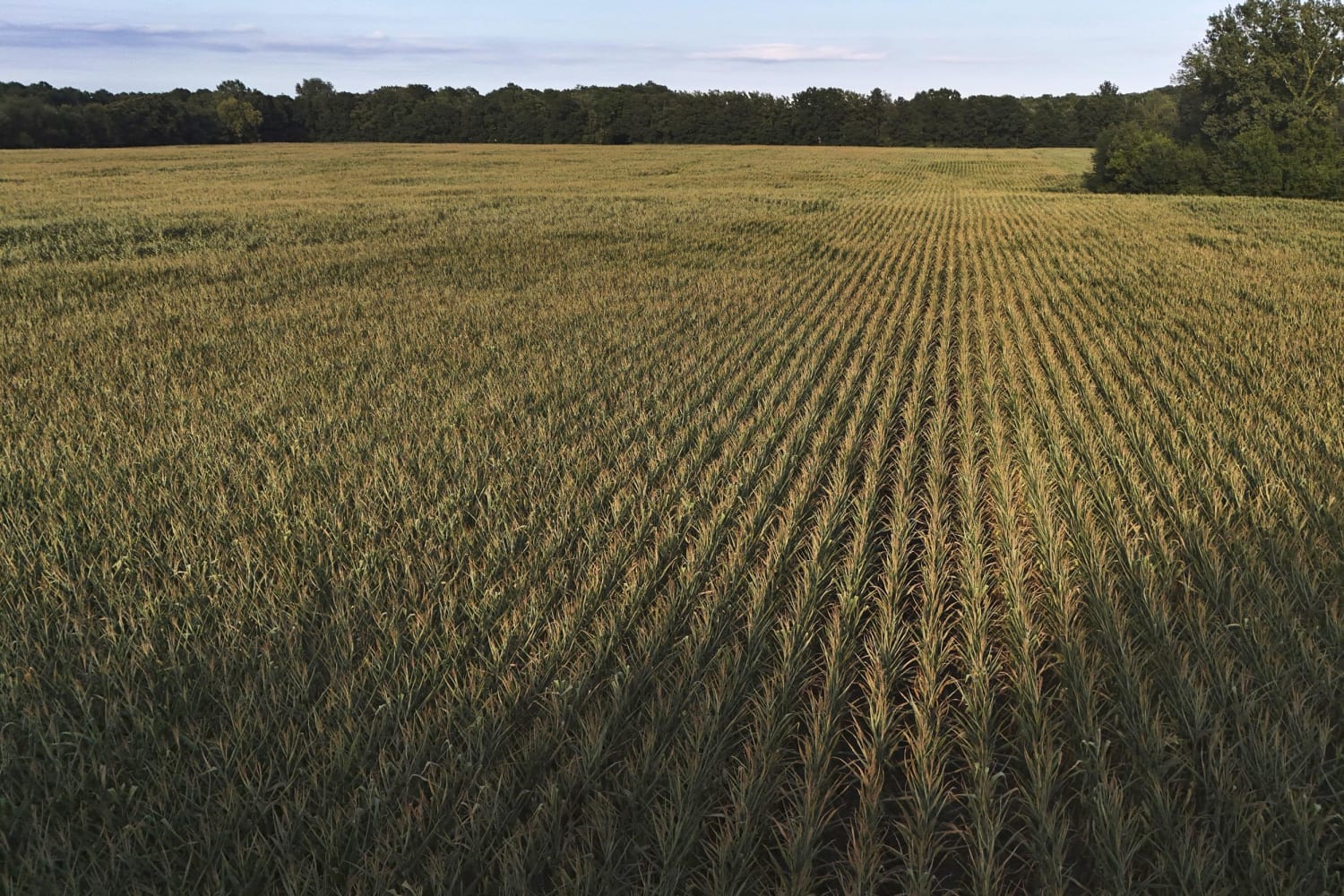

Corn has historically been one of the most reliable agricultural staples, vital not only to American cultivation but also to the worldwide food industry. It plays a crucial role in sectors ranging from animal feed and sweeteners to ethanol production and numerous food items, placing corn at the heart of contemporary farming. Nevertheless, the capability to achieve reliable, top-quality corn yields has always relied on a fragile equilibrium of weather patterns. In recent times, this balance has grown progressively precarious, leading to significant worries about how climate change could impact yields and food security in the future.
Farmers have typically depended on a reliable series of weather patterns—consistent rainfall, warm growing periods, and stable soil conditions—to produce robust corn yields. For crops to thrive, sufficient moisture during planting, gentle weather during pollination, and consistent warmth as the ears develop are necessary. When these conditions are met, it results in an abundant harvest that supports food supplies and drives economic progress. However, as climate patterns change, these previously dependable weather sequences are becoming less predictable, leaving farmers with uncertainty throughout the growing season.
In numerous areas, especially throughout the Corn Belt in the USA, indications of alteration are already noticeable. Unexpected rainfall has postponed seeding in certain years, while extended droughts have made fields susceptible during key pollination phases. Intense heat waves, occurring at inopportune moments, have the potential to ruin corn before it matures completely. Each of these elements individually can negatively impact production, but together, they form a pattern of uncertainty that turns farming into a more risky endeavor than ever.
One of the major difficulties is the schedule of precipitation. Corn grows best with evenly spaced water, yet climate change has altered rainfall trends, causing extended periods of dryness punctuated by abrupt, intense downpours. Although flooding might restore underground water reserves, it also erodes essential topsoil and nutrients, weakening plant vitality. Conversely, extended drought periods put pressure on the crop, diminishing both its quality and yield. This unpredictable pattern complicates farmers’ ability to plan, regardless of the sophistication of their techniques.
Fluctuations in temperature present an additional challenge. Corn needs warmth for growth; however, excessive heat can greatly decrease yields. If there is a convergence of high temperatures with the plant’s blooming period, it can lead to pollination failure, thus decreasing the number of kernels. A field that seems fine one week might suffer major losses the following week, simply because of a short spell of intense heat. Climate models predict that these heatwaves will become increasingly common, representing a significant danger to areas that have historically been optimal for corn cultivation.
Farmers are already responding to these challenges by adapting their techniques. Advances in irrigation, soil conservation practices, and drought-resistant seed varieties are helping to mitigate some of the risks. Agricultural researchers are also exploring how genetic innovation and precision technology can provide resilience against shifting conditions. Still, these adaptations come with costs—financial, environmental, and social—that may not be sustainable for every grower. Smaller farms, in particular, face an uphill battle when competing with larger operations that can absorb higher expenses.
The economic implications of unstable corn production stretch far beyond the farm. Corn is deeply embedded in the global supply chain. A poor harvest in one region can drive up feed prices, affecting livestock industries and raising food costs for consumers. Ethanol production, which relies heavily on corn, also becomes more volatile, influencing energy markets. Even everyday products, from breakfast cereals to soft drinks, feel the ripple effects of fluctuating corn supply.
Looking ahead, the role of policy and international cooperation will be critical. Governments face mounting pressure to support farmers through subsidies, crop insurance, and climate resilience programs. At the same time, investment in sustainable farming practices—such as regenerative agriculture and improved water management—will determine how effectively the agricultural sector can withstand climate stress. Countries that depend on corn imports will also need to plan for potential disruptions, ensuring that supply chains remain secure in an increasingly uncertain climate.
For consumers, the issue may seem distant until it reaches the grocery aisle. Rising food prices, shortages of certain products, and shifts in dietary options are all potential outcomes of unstable corn harvests. What once seemed like a simple agricultural challenge is now shaping up to be a broader concern about food security, economic stability, and environmental resilience.
Corn has consistently mirrored its surroundings, and today it echoes the larger issue of climate change. Although innovation, adjustment, and worldwide collaboration might offer solutions, the difficulties that lie ahead are unmistakable. The ideal corn ear, once a reliable aspect of farming heritage, now represents the fragile equilibrium between agriculture and an evolving world.
