
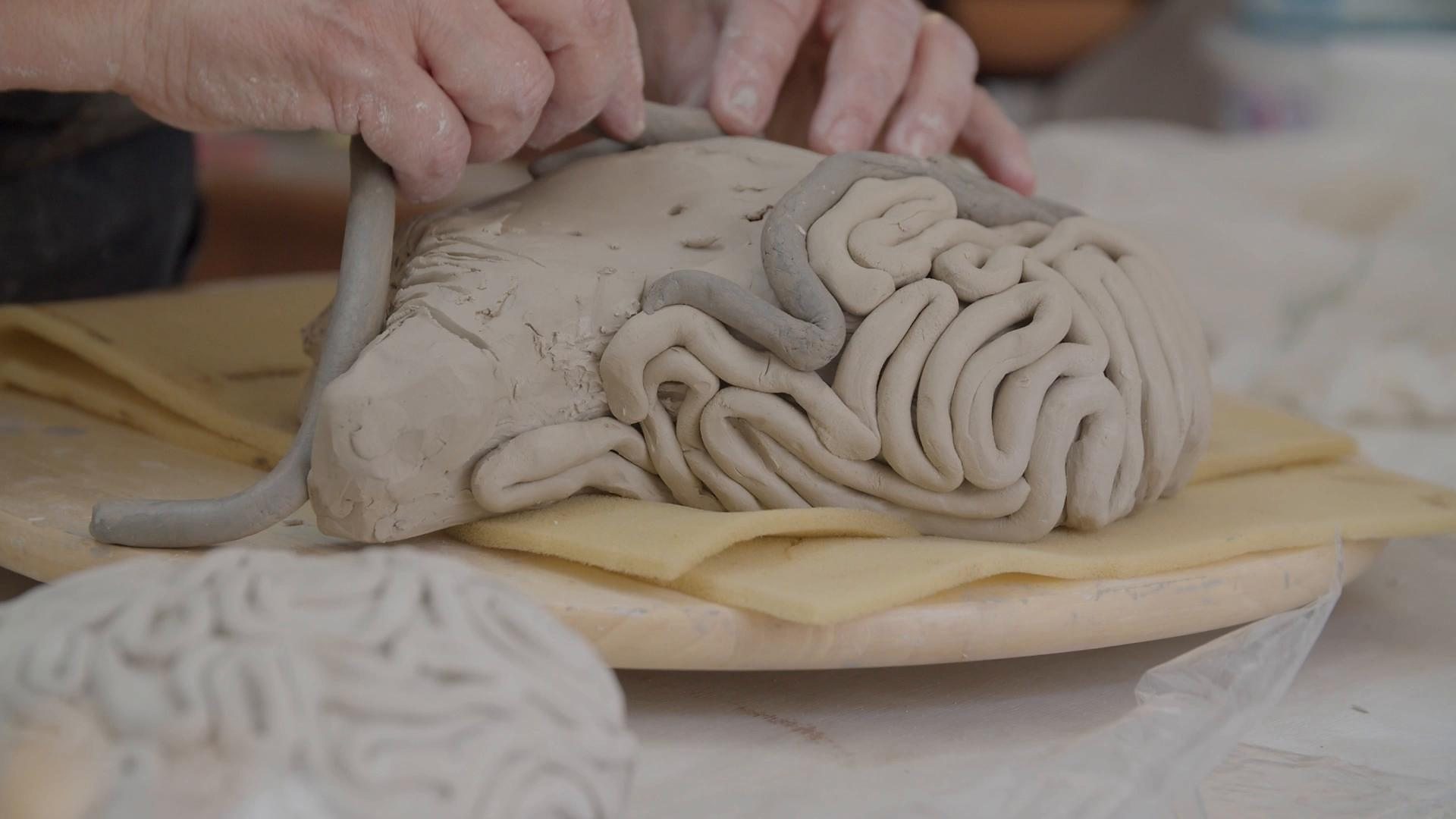

When children are around six years old, they experience significant developmental transformations impacting their physical development as well as their mental and emotional abilities. This phase, occasionally referred to as “wobbly-tooth puberty,” signifies a crucial stage in brain development, setting the groundwork for advanced thought processes, interpersonal abilities, and emotional control.
The phrase “wobbly-tooth puberty” humorously alludes to a distinct physical event that occurs for children at this age—the shedding of primary teeth—coinciding with crucial neurological transformations. Although tooth loss is the most apparent indicator of transition, internally, the restructuring of children’s brains significantly impacts their conduct, education, and engagement with their surroundings.
Neuroscientists studying brain development have identified that around six years old, children enter a phase characterized by rapid growth in several key brain regions. These include areas responsible for executive functions such as attention control, working memory, and problem-solving abilities. This stage also sees maturation in the prefrontal cortex, which plays a crucial role in decision-making and impulse control.
The enhanced connectivity between different brain networks during this time allows children to process information more efficiently and flexibly. As a result, many six-year-olds begin to show increased curiosity, improved language skills, and a growing capacity to understand complex ideas. These developments support their transition from early childhood into more structured learning environments like school, where cognitive demands intensify.
Emotionally, this phase may be thrilling yet demanding. Kids start to recognize their emotions and those of others, though their skill in managing these feelings is still maturing. This process can result in mood swings, sporadic frustration, and a greater demand for assistance from parents and teachers. Comprehending this neurological context sheds light on actions that might otherwise appear confusing at this age.
Socially, six-year-olds start to form deeper relationships with peers, learning cooperation, empathy, and conflict resolution. The brain changes underpinning these abilities contribute to improved social cognition, enabling children to navigate group dynamics more adeptly. They also become more sensitive to social feedback, which can affect self-esteem and confidence.
Children often improve their physical coordination and motor abilities, gaining greater mastery over fine and gross motor skills. This enhancement aids their involvement in various activities—from writing to athletics—that promote additional brain growth through practice and experience.
The concept of “wobbly-tooth puberty” emphasizes that this stage is a form of neurological puberty, where the brain undergoes remodeling much like the body does during adolescence. However, unlike the dramatic hormonal shifts seen in teenage years, the brain changes around six are more subtle but no less critical. They prepare children for the more demanding intellectual and social challenges ahead.
Parents and educators play a vital role during this phase by providing environments that nurture cognitive and emotional growth. Activities that encourage problem-solving, creativity, and social interaction can help reinforce new neural pathways. Equally important is offering consistent emotional support and understanding as children navigate the sometimes overwhelming changes in their inner and outer worlds.
Studies indicate that getting enough rest, eating a well-rounded diet, and engaging in physical exercise are crucial for the best brain growth at this stage. These elements support the brain’s capability to adjust and establish enduring links, emphasizing the significance of comprehensive care in early childhood.
Awareness of the changes occurring in six-year-olds’ brains can improve approaches to education and parenting. Recognizing that behaviors such as increased distractibility or emotional volatility are linked to brain maturation rather than willful disobedience encourages patience and tailored support.
In classrooms, teaching methods that integrate active learning, physical engagement, and social interaction effectively match the neurological abilities of children in this age range. Early detection of learning challenges is supported by recognizing standard brain development patterns, enabling timely measures that can have a substantial impact.
Additionally, this phase establishes the foundation for lifelong learning patterns. As children’s minds become more skilled at handling data and emotions, they build resilience and adaptability that benefit them in educational and personal situations throughout their lives.
Research efforts continue to delve into the complexities of brain maturation in the early years, revealing the impact of experiences on neural structures. Identifying “wobbly-tooth puberty” as a unique stage highlights the evolving nature of cerebral development and emphasizes the significance of nurturing surroundings in promoting healthy growth.
The time around the age of six signifies an important shift in children’s minds, characterized by improved cognitive, emotional, and social skills. This period, often referred to as “wobbly-tooth puberty,” highlights a crucial moment in human growth, where essential abilities for future achievement are nurtured. Recognizing and addressing these developments with compassion and knowledgeable support can assist children in flourishing during this significant phase and thereafter.
