
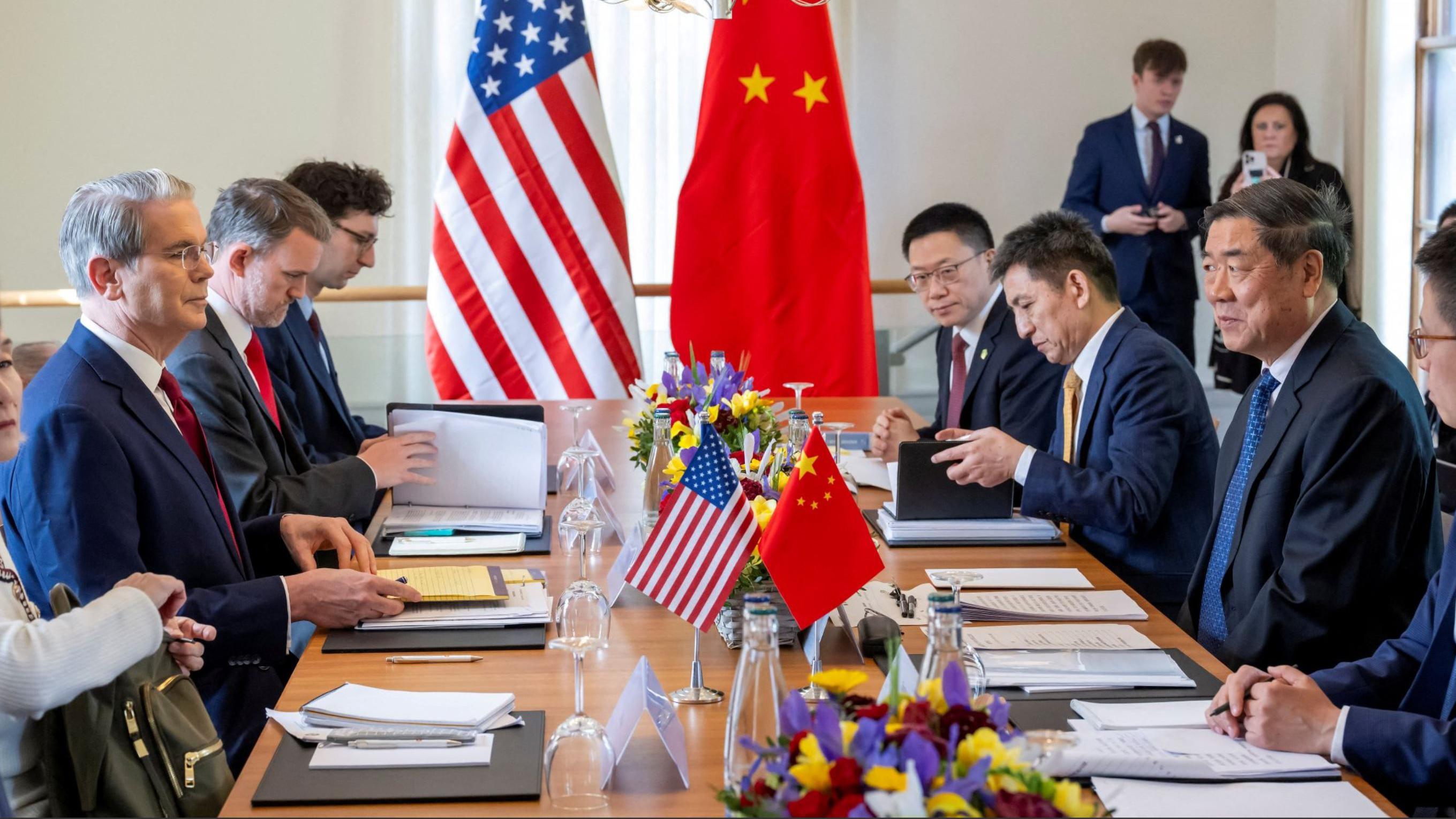

Diplomatic talks between the United States and China have started again, sparking optimism that the two nations might prolong their delicate ceasefire in the current trade conflict. Following years of rising tariffs and countermeasures that disturbed worldwide supply chains and affected markets, this resumption of official discussions indicates a possible move toward stability and reciprocal cooperation.
The talks, which are taking place amid a complex geopolitical backdrop, reflect the high stakes for both nations. The global economy continues to face uncertainty fueled by inflationary pressures, supply chain vulnerabilities, and shifting political alliances. In this context, efforts to avoid further trade escalation have become increasingly urgent—not just for Washington and Beijing, but for businesses, workers, and consumers around the world.
The trade conflict between the U.S. and China began in earnest in 2018, with the imposition of tariffs by the Trump administration targeting hundreds of billions of dollars in Chinese imports. Citing intellectual property violations, forced technology transfers, and unfair trade practices, U.S. officials argued that China’s economic policies required firm countermeasures. China responded with tariffs of its own, creating a tit-for-tat cycle that affected everything from agricultural commodities to high-tech components.
A partial agreement was reached in early 2020, known as “Phase One,” which included commitments from China to increase purchases of American goods and strengthen intellectual property enforcement. However, implementation was uneven, and core issues such as state subsidies, industrial policy, and digital regulation remained unresolved. The agreement offered a brief respite, but tensions never fully dissipated.
With the Biden administration taking office in 2021, the U.S. maintained many of the Trump-era trade measures while signaling a preference for a more coordinated and strategic approach. The current talks reflect that evolution—seeking progress through structured dialogue rather than unilateral action.
For Washington, the primary objectives remain consistent: improved market access for U.S. firms, stronger protection of intellectual property rights, and curbs on what it sees as anti-competitive practices by Chinese state-owned enterprises. American businesses have long sought greater clarity and fairness in areas like licensing, data flows, and investment restrictions.
Simultaneously, U.S. officials face domestic pressure to show they are safeguarding American employment and sectors. This has resulted in heightened examination of Chinese imports in areas like semiconductors, renewable energy, and pharmaceuticals—sectors deemed essential for national security and economic strength.
Beijing, meanwhile, aims to obtain guarantees that no additional tariff increases will occur and that U.S. export restrictions won’t be broadened arbitrarily. Chinese authorities are also looking to maintain consistent access to essential markets and technologies while retaining the capacity to direct the domestic economy through governmental planning. As China deals with recovery after the pandemic and the persistent challenges in the real estate sector, ensuring economic stability has become a leading concern.
The latest announcements from both parties indicate an openness to finding common ground, at least in terms of procedures. The renewal of discussions at the ministerial level, along with meetings of working groups focused on technical topics, signifies a departure from the earlier phases of the conflict, which were characterized by a confrontational approach.
U.S. officials have emphasized the need for “guardrails” to manage competition responsibly, avoiding surprises or unintended escalations. Chinese representatives have echoed similar sentiments, calling for stable relations and mutual respect. Though neither side has proposed a comprehensive settlement, the emphasis on dialogue itself represents a modest but meaningful shift.
Economic indicators further intensify the situation. Exporters from the U.S., notably those in agriculture and manufacturing, have experienced interruptions in Chinese demand as a result of tariffs and unclear regulations. At the same time, Chinese companies, particularly those in technology and consumer products, encounter increasing challenges when trying to enter or grow in the American market. It is beneficial for the private sectors of both nations to reestablish a stable trade atmosphere.
Even with the revived conversation, major barriers persist. Fundamental disagreements—especially regarding China’s state-influenced economic approach—pose challenges for achieving agreement on extensive reforms. U.S. decision-makers still voice worries about industry subsidies and market imbalances that, from their perspective, put international competitors at a disadvantage.
Moreover, in recent years, the bipartisan attitude in the United States has strengthened, with representatives from both leading parties advocating for stricter positions on China’s trade actions, cybersecurity conduct, and human rights history. Any deal achieved by negotiators must be presented in a manner that appeases domestic political pressures while preserving the prospects for enduring cooperation.
For China, balancing foreign policy flexibility with domestic economic stability is also a challenge. Beijing must manage nationalist sentiment while ensuring that concessions made in negotiations do not appear as signs of weakness or compromise. Public messaging, both internally and externally, will be critical to maintaining political support.
Beyond the bilateral interaction, the results of trade discussions between the U.S. and China have significant effects on the world economy. The trade conflict has caused firms to spread their production to regions like Southeast Asia and Latin America. If the tension continues for an extended period, it might speed up the separation of the two markets, influencing investment dynamics, technological advancement, and worldwide pricing mechanisms.
Conversely, a durable trade truce could bolster investor confidence, support global recovery efforts, and provide a framework for addressing other shared challenges, such as climate change, technology governance, and public health preparedness. The stakes extend well beyond tariffs and quotas—they touch on the future architecture of global commerce.
In this context, the resumption of negotiations, though modest in scope, sends a positive signal to financial markets and multinational businesses. Currency stability, commodity pricing, and cross-border capital movements are all sensitive to the tone and substance of U.S.-China relations. Even incremental progress can generate measurable economic benefits.
The resumption of commercial talks between the United States and China signifies an important point in one of the globe’s most influential bilateral partnerships. Though the future remains unclear and the challenges significant, the readiness to reconnect provides a ray of optimism for prolonging the existing ceasefire and preventing a resurgence of comprehensive economic conflict.
As negotiations proceed, stakeholders across government, industry, and civil society will be watching closely. The decisions made in these meetings have the potential to shape trade policy, technological cooperation, and global stability for years to come. Whether this round of talks leads to a breakthrough or merely buys time, it reflects a shared recognition of the high costs of continued conflict—and the value of sustained dialogue.
