
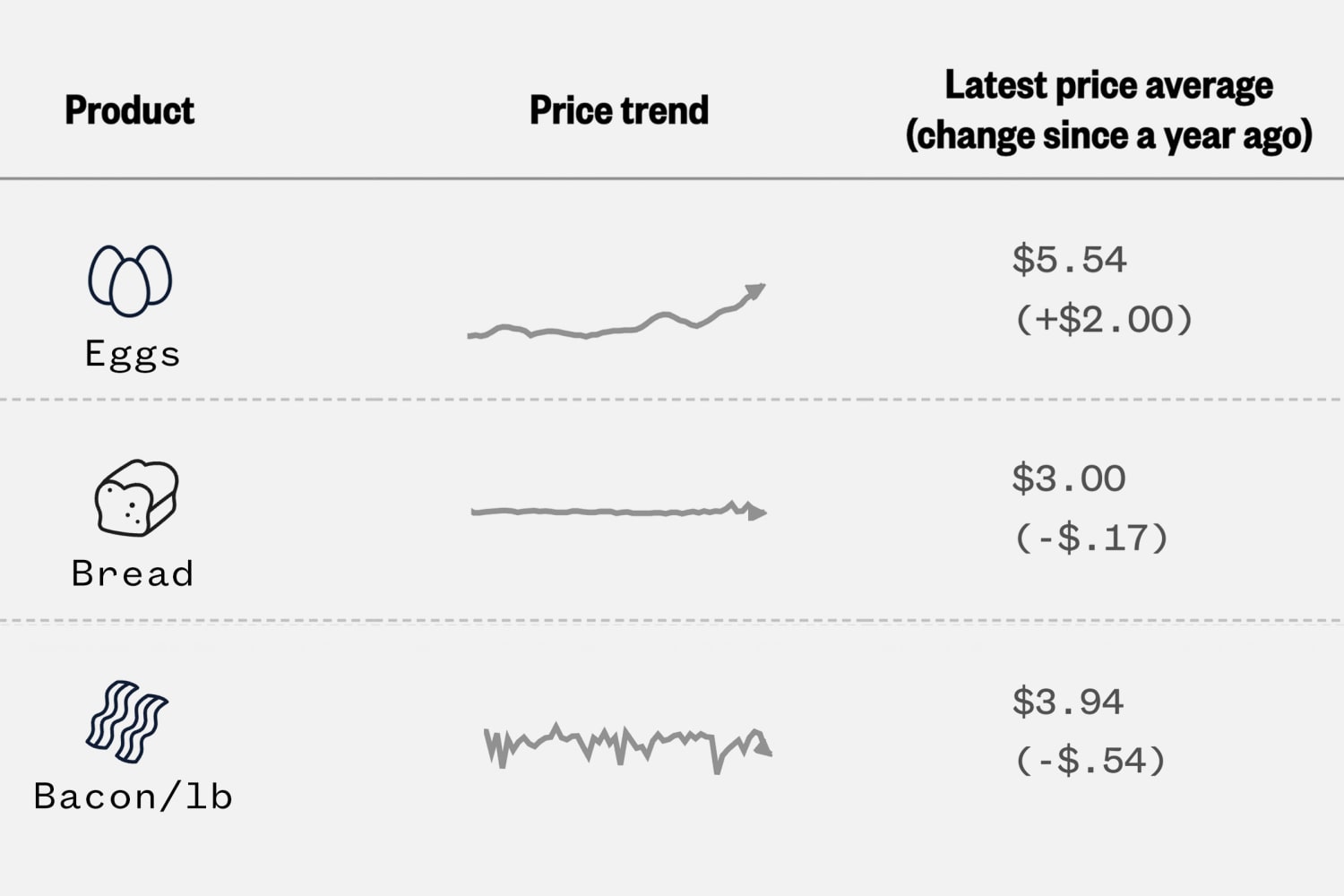

In recent years, buying groceries has evolved from a simple task into a complex budgeting challenge for numerous families. Fluctuations in food prices have led people to alter their purchasing behaviors, reassess their priorities, and look for cost-effective options. Although costs generally vary due to expected reasons like seasonal changes or logistics expenses, recent worldwide incidents, financial stress, and changing demand have greatly unsettled this previously steady activity. Grasping the trends in grocery prices aids in personal financial planning and uncovers broader patterns in food systems and economic well-being.
A shift in consumer behavior
Inflation has left a noticeable impact on how people approach their grocery lists. Many shoppers are no longer choosing products solely based on preference or brand loyalty. Instead, price sensitivity has grown. Consumers are comparing unit costs more closely, considering store brands, and even exploring alternative retailers. For some, this means turning to bulk stores or discount outlets. For others, it means changing dietary habits altogether by focusing on ingredients that offer more value per serving.
This behavioral change also highlights an important trend: shoppers are becoming more informed. Price tracking, whether mentally or with the aid of apps, is no longer reserved for coupon clippers. It’s now a widespread practice, helping families make real-time decisions about how to stretch their grocery budget without sacrificing nutrition or quality.
Unstable segments and consistent essentials
Not all food items have experienced the same degree of price fluctuation. Some categories have remained relatively stable, while others have surged or dipped depending on external conditions. Fresh produce, for example, is highly sensitive to weather patterns, transportation costs, and labor availability. A drought or flood in one region can ripple through supply chains and cause sudden price spikes in grocery aisles thousands of miles away.
Meat and dairy, essential elements in numerous homes, have been subjected to variations. Variables like the expenses of feed, processing delays, and global trade regulations affect the pricing observed by shoppers in stores. Eggs, previously a consistent and economical protein source, have seen significant price fluctuations caused by disease outbreaks in bird populations and changes in demand from food service industries.
On the other hand, items like rice, beans, and pasta have remained relatively affordable and accessible. These products tend to have longer shelf lives and are less reliant on complex supply chains. Their consistency has led many consumers to reintroduce these staples into regular meal planning, particularly as the cost of fresh meat or imported goods continues to fluctuate.
The role of global events
Geopolitical tension, pandemic-related disruptions, and extreme weather events have all had a ripple effect on food systems. A conflict in a grain-producing region, for instance, can limit exports and send prices soaring across global markets. Meanwhile, transportation costs tied to fuel prices can make imported goods significantly more expensive for retailers and, ultimately, for consumers.
The COVID-19 pandemic showcased how vulnerable global supply chains are. From labor shortages at meatpacking plants to shipping delays at major ports, the effects were seen at nearly every point in the food journey—from farm to shelf. While some of these disruptions have eased, their impact continues to affect production cycles and pricing models.
Moreover, climate change has introduced a new layer of unpredictability. Unseasonable weather patterns, more frequent natural disasters, and shifting growing zones have made crop yields more uncertain, directly affecting pricing trends.
How packaging and processing affect pricing
The price of groceries is influenced by more than just the cost of raw materials. Factors such as packaging, brand identity, and manufacturing processes also play a role in determining the price consumers ultimately pay. For example, a basic comparison between whole vegetables and their pre-cut, packaged counterparts illustrates how convenience often results in a higher cost. Likewise, items that are organic or sustainably sourced typically have higher prices because of the extra resources needed for their production.
Increasing expenses in raw materials, including plastics, glass, and aluminum, are affecting the packaging aspect of grocery products. Businesses dealing with heightened costs in these sectors have to choose between accepting the additional expense or transferring it to the customer. Often, this leads to smaller packaging for the same cost—a situation referred to as shrinkflation.
Shrinkflation and consumer perception
Shrinkflation takes place when businesses decrease the amount of product inside a package yet keep the price unchanged. This discrete tactic, applied from bags of snacks to cereal packages, enables companies to control manufacturing expenses without openly raising prices. Nevertheless, as shoppers become more conscious of value, there is an increasing doubt surrounding shrinkflation.
Aunque la reduflación podría parecer una estrategia para reducir costos por parte de los fabricantes, puede deteriorar la confianza de los consumidores, sobre todo si no se comunica de manera transparente el cambio. Con el tiempo, los compradores podrían decidir cambiar a marcas rivales o dejar de adquirir ciertos productos por completo si sienten que no están obteniendo un valor adecuado por su dinero.
Digital tools and budgeting
To adapt to ongoing price shifts, many consumers are turning to digital tools. Grocery apps, price comparison platforms, and budgeting software allow users to track fluctuations, find discounts, and set spending goals. These tools have empowered shoppers to shop smarter, plan meals more efficiently, and minimize waste.
Besides digital solutions, an increasing number of consumers are turning to meal preparation and bulk cooking to handle their costs. By cooking meals in advance and utilizing common ingredients in different recipes, families can minimize waste and decrease unexpected shopping visits, both of which assist in managing total expenditures.
Lasting effects and enhancement of consumer authority
While grocery prices may continue to shift due to various economic and environmental factors, today’s consumers are better equipped than ever to respond. Price awareness is now part of everyday life. People are asking more questions: Where does this food come from? Why is it priced this way? Can I find a better alternative?
These questions reflect a broader cultural shift toward intentional spending. Whether it’s buying in bulk, growing a home garden, joining a community-supported agriculture program, or simply reading food labels more closely, shoppers are reclaiming control in a fluctuating market.
The eventual outcome could be a sturdier and more knowledgeable group of consumers. With understanding comes empowerment, and as more people and households monitor changes in grocery prices, they are not only safeguarding their finances—they’re also influencing the market with their decisions.
Understanding how and why grocery prices change is essential for anyone looking to manage their household expenses more effectively. From supply chain issues to consumer behavior and digital innovation, a wide range of factors contribute to what ends up in your shopping cart—and how much it costs. By staying informed, adopting smart shopping habits, and making intentional decisions, consumers can navigate grocery price trends with confidence and resilience.
