
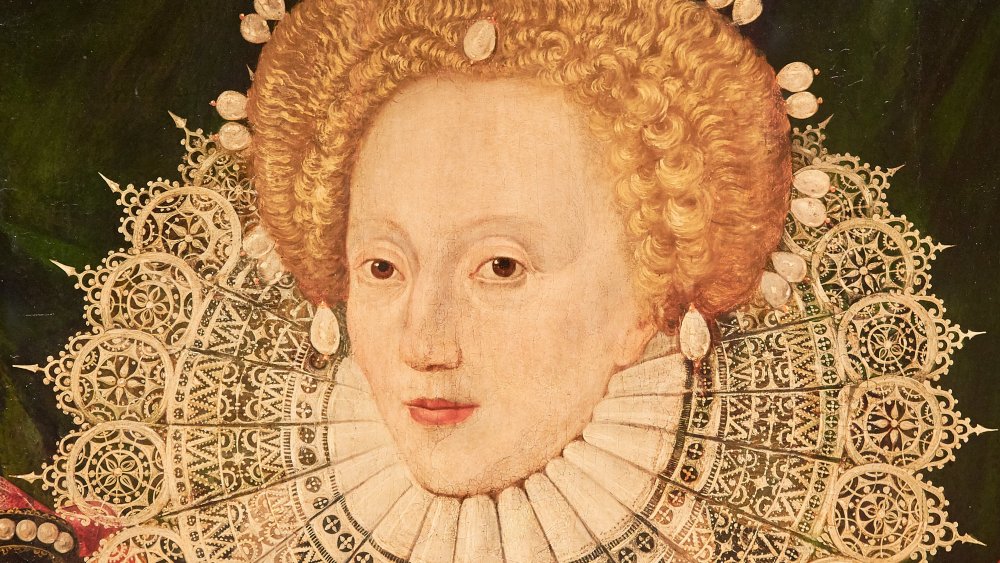

Elizabeth I of England, famously known as the “Virgin Queen,” ruled for over four decades without ever taking a husband. Her decision to remain single has sparked centuries of intrigue, speculation, and debate. While some have attributed it to political strategy or personal trauma, the truth likely lies in a complex mix of trust, ambition, and a keen awareness of the precarious balance of power in Tudor England.
During her rule between 1558 and 1603, Elizabeth crafted an image of autonomy and chastity, intentionally integrating her single status into her royal identity. She portrayed herself as being married to her nation, frequently calling her subjects her children and asserting that she required no additional companion. Yet, beneath this meticulously constructed image was a woman who had directly encountered the perils and constraints that matrimony could entail—particularly for a queen.
From a young age, Elizabeth witnessed the dangers involved in royal marriages. Her mother, Anne Boleyn, faced execution on claims of adultery and treason when Elizabeth was merely a small child. This pivotal experience certainly had a profound impact. Her father, Henry VIII, had six marriages, and his variable affections determined the destinies of numerous people at court, especially the women. The turbulence and aggression linked to her parents’ relationship might have imparted an important understanding to Elizabeth: that relying on others, especially regarding romance and political affairs, might swiftly result in betrayal and downfall.
Even as she ascended the throne, the question of marriage was never far from the minds of her advisors. Parliament frequently pressured her to secure the line of succession, and potential suitors—both foreign and domestic—were carefully vetted. Yet despite numerous courtships, Elizabeth never committed. She maintained diplomatic flirtations with monarchs and noblemen alike, including Philip II of Spain and the French Duke of Anjou. Perhaps most famously, she shared a deep, enduring bond with Robert Dudley, the Earl of Leicester. Their closeness caused considerable gossip, but no formal engagement ever materialized.
Why did Elizabeth resist marriage despite these close relationships? Part of the answer lies in control. As an unmarried queen, she retained full authority over her kingdom and her personal decisions. Marriage could have compromised that power, particularly in a patriarchal society that expected women—even monarchs—to be subordinate to their husbands. Elizabeth, ever politically astute, understood the implications. To marry would be to share, or possibly surrender, some measure of sovereignty. It was a risk she chose not to take.
Passion, in Elizabeth’s case, was not absent. She was known for her charisma, intelligence, and charm. Her letters and speeches often conveyed strong emotional currents, and her interactions with courtiers suggest a woman fully capable of deep affection. But passion, like trust, was treated with caution. Elizabeth likely recognized that giving into either could lead to vulnerability—a luxury she could ill afford.
In a world where alliances were brokered through matrimony and female rulers were rare, Elizabeth carved a new path. She redefined what it meant to be a woman in power, proving that a queen could rule successfully without a king at her side. Her reign brought relative stability, economic growth, and a flourishing of the arts now known as the Elizabethan Era. Her decision not to marry may have disappointed some contemporaries, but it ultimately solidified her legacy.
Death, the final act in any ruler’s story, came to Elizabeth in 1603. She died peacefully at the age of 69, ending the Tudor dynasty. Though she left no direct heir, her influence endured. Her life was marked by calculated choices, many of which revolved around her refusal to conform to the expectations of her gender and her office. In choosing not to marry, she defied convention—and, in doing so, secured her place in history.
Elizabeth’s legacy remains fascinating to contemporary audiences not just due to her achievements, but also because of the enigmatic aura she maintained during her lifetime. Her narrative is characterized by resilience, self-determination, and a steadfast dedication to her monarchical duties. Factors such as trust, passion, and death influenced her choices, though none ever overshadowed her devotion to her responsibilities.
Ultimately, Elizabeth I governed and existed according to her own principles. Maybe the strongest proof of her resilience lies not in her choice to remain single, but in her lack of necessity for marriage.
