
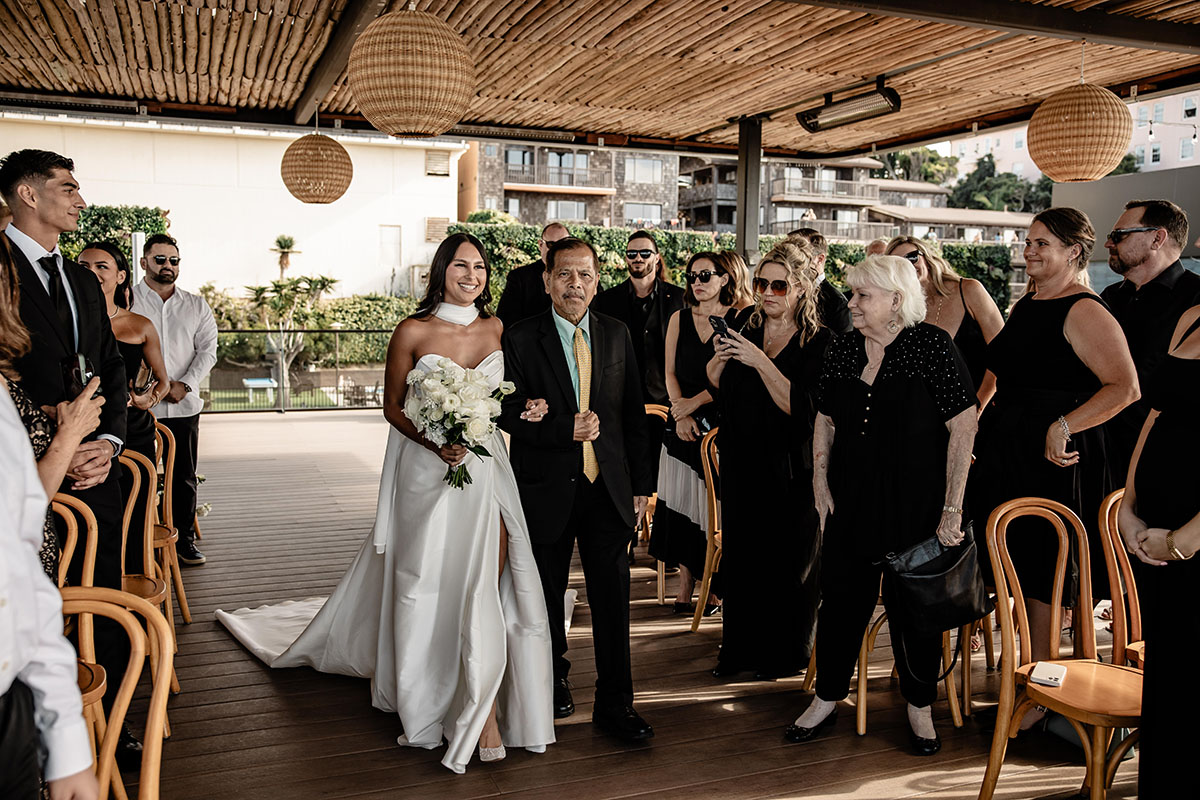

When it comes to wedding invitations, few dress codes create as much uncertainty as “black tie optional.” Guests often pause at the phrase, unsure whether it’s a call for tuxedos and evening gowns or a more relaxed approach to formalwear. Unlike straightforward guidelines such as “casual” or “black tie,” the “optional” clause leaves room for interpretation—sometimes too much room.
So what exactly does “black tie optional” mean, and how should guests interpret it when planning their outfits? Understanding this dress code can help ensure that attendees strike the right balance between elegance and appropriateness without feeling over- or underdressed.
At its essence, “black tie optional” indicates a dress code that is nearly as formal as black tie, yet offers some flexibility. For gentlemen, this implies that donning a tuxedo is appreciated but not mandatory; a dark, well-fitted suit with a traditional tie is equally suitable. For ladies, this dress code encourages long evening dresses, but elegant cocktail dresses, stylish jumpsuits, or a formal midi dress are also appropriate.
Based on how the couple sees it, selecting a dress code labeled as “black tie optional” frequently serves as a means to support a broader spectrum of guest tastes and financial considerations. They may picture a sophisticated event—maybe a nighttime gathering at an opulent location—but they are also aware that not all attendees have a tuxedo or an evening dress. The optional nature allows for a sophisticated atmosphere without compelling every attendee to don completely formal clothing.
The timing and venue of the celebration might offer some hints. Should the wedding take place in the evening at a luxury spot such as a historic hotel, an art museum, or an exclusive club, the atmosphere is likely to be formal, suggesting attire like tuxedos and evening gowns for attendees. On the other hand, a daytime event held in a garden or on a beach could suggest a more relaxed dress code within the “optional” range.
For men who want to err on the side of formality without renting a tux, a dark navy or charcoal suit paired with a crisp white shirt and a classic tie will typically meet expectations. Polished dress shoes and minimal accessories complete the look. If the groom and groomsmen are in tuxedos, wearing one as a guest can help match the tone, but it’s not mandatory.
Women navigating a “black tie optional” dress code have several stylish options. A long evening dress is always a safe choice, especially for events held after 6 p.m. However, a refined cocktail dress—one with elegant fabrics like silk, satin, or chiffon—can also be appropriate. Accessories such as statement earrings, a sleek clutch, and sophisticated heels can elevate even a minimalist ensemble to suit the occasion.
Choosing the right color is also important. Darker shades such as navy, emerald, burgundy, or black typically create a more formal ambiance, whereas soft pastels or floral designs might suit a more casual environment if it aligns with the occasion and timing. Irrespective of the color, focus on elegant shapes and high-quality clothing.
It’s crucial to distinguish “black tie optional” from semi-formal or cocktail dress codes. Although semi-formal and cocktail are more relaxed and informal, “black tie optional” still suggests a degree of sophistication. Arriving in attire that’s overly casual—such as a sundress, khakis, or a sports jacket—could seem inappropriate, particularly if other attendees have embraced the more formal aspect of the dress code.
One advantage of this dress code is the room it offers for personal style. Unlike strict black tie, which limits men to tuxedos and women to floor-length gowns, “optional” allows for a more individual approach. Guests can honor the formality of the occasion while choosing outfits that align with their personal taste and comfort.
This flexibility can be especially helpful for out-of-town guests or those traveling with limited luggage space. Packing a versatile suit or a dress that can be styled up or down with accessories provides options without overcommitting to a single look. For couples, offering this option can ensure that guests feel welcome regardless of wardrobe access or fashion preferences.
Of course, if a guest is ever unsure, it’s perfectly acceptable to reach out to the couple or wedding planner for clarification. They can offer insight into the formality of the venue, the attire of the wedding party, and any regional customs that might influence expectations. This is especially true for destination weddings or multicultural celebrations, where dress codes may vary based on tradition.
Ultimately, the goal of a wedding dress code is to set a tone that aligns with the couple’s vision while helping guests feel confident and comfortable. “Black tie optional” strikes a middle ground—elevated but inclusive, stylish but not rigid. It allows everyone to participate in the elegance of the occasion without feeling burdened by specific rules.
When thoughtfully interpreted, this dress code can make for a beautifully dressed guest list that looks cohesive without appearing uniform. With attention to detail, quality fabrics, and a nod to formality, guests can embrace “black tie optional” with confidence, ensuring they fit in with the event while expressing their own sense of style.
