
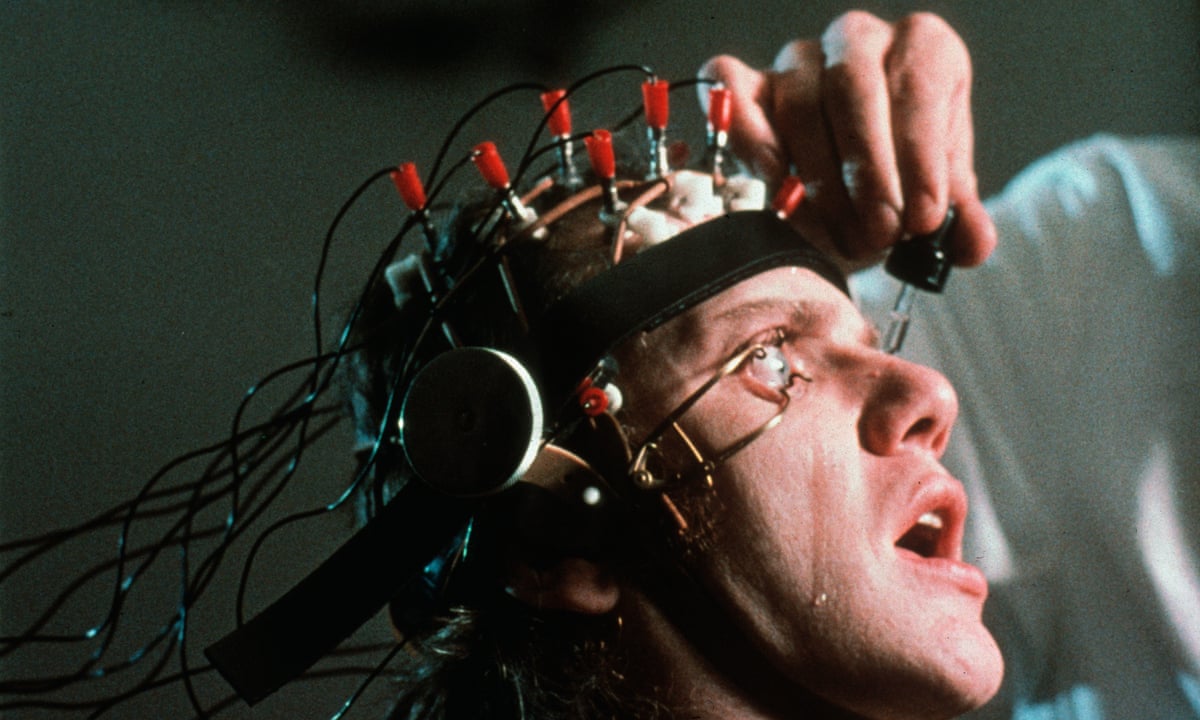

Stanley Kubrick’s A Clockwork Orange (1971) represents a groundbreaking work in dystopian film, marked by bold stylistic decisions and deep thematic exploration. Based on Anthony Burgess’s 1962 book, the movie’s effect is seen in visual style, storytelling, societal critique, and the advancement of genre norms. Analyzing its significance includes looking at its instant cinematic breakthroughs and its lasting impact on later dystopian stories.
Styling and Film Language
One of the most significant contributions A Clockwork Orange made to dystopian cinema lies in its pioneering visual style. Kubrick’s meticulous attention to composition, use of stark whites and garish colors, and innovative set design created a setting both alien and uncomfortably familiar. The urban landscape, blending futuristic elements with decaying architecture, projected a society neither wholly fantastical nor easily recognizable—a vision emulated by later classics such as Blade Runner and Brazil.
The movie’s unforgettable incorporation of classical music, contrasted with violent actions, highlighted the cognitive dissonance central to the dystopian vision. This combination of sound and visuals, exemplified in sequences such as Alex DeLarge’s performance of “Singin’ in the Rain,” set a precedent for employing irony and contrast as storytelling techniques in dystopian films. Later directors would adopt this method to emphasize the distortion inherent in government-endorsed or systemic aggression.
Subversion of Narrative Sympathy
Kubrick’s adaptation refuses simple characterization: the protagonist, Alex, is both a perpetrator and a victim. This ambiguous morality compelled audiences to interrogate their own complicity and discomfort, a trope that elevated dystopian cinema beyond black-and-white political parables. By engineering a complex audience-paradox, where viewers are persuaded to empathize with an antihero subjected to dehumanizing state interventions, the film set a precedent for psychological complexity in dystopian protagonists, influencing works like Children of Men and the Black Mirror series.
Analysis and Humor in Socio-Political Contexts
A Clockwork Orange explored the relationship between individual freedom, state authority, and the morality of social manipulation. The Ludovico Technique, designed to “remedy” Alex’s aggressive tendencies, highlights the perils of excessive governmental control and challenges the price of societal compliance. Kubrick’s direct depiction of psychological control, devoid of idealistic pretense, transformed dystopian cinema’s critique from collective disaster to a focus on personal, particular suffering. This transformation sparked a new generation of films centered on self-determination and defiance, including Gattaca and V for Vendetta.
Moreover, Kubrick’s veneer of satirical absurdity foregrounded the genre’s potential for dark humor and farce. The film’s stylized slang, derived from the novel’s Nadsat language, not only disorients viewers but also underscores the malleability of youth culture—an aspect that films like Repo Man and Trainspotting would also explore within dystopian or subversive frameworks.
Cultural Reverberations and Legacy
Reactions from critics and the public to A Clockwork Orange sparked discussions about censorship, the responsibilities of artists, and how violence is shown, impacting the public’s view on what dystopian films might portray ethically and creatively. Its removal from cinemas in the UK, followed by its eventual return and inclusion as a topic of academic study, highlights how it reshaped the limits of film expression. The debate it stirred up led to discussions in both film and academic circles regarding the role and impact of violence in the media, a fundamental issue in the study of dystopian cinema.
In a visual sense, the turban hats, codpieces, and white outfits worn by the film’s droogs became part of popular culture, impacting designers, musicians, and filmmakers equally. The film’s bold imagery was used in music videos, fashion photoshoots, and ad campaigns to convey a feeling of rebellious irreverence or a sense of futuristic decline, further intertwining dystopian storytelling with modern aesthetics.
Influence on Later Dystopian Films
A Clockwork Orange‘s visual and narrative boldness opened creative avenues for directors grappling with control, agency, and institutional violence. Its DNA can be traced through works like THX 1138, RoboCop, The Purge, and Clockers (a Spike Lee film subtly referencing Kubrick’s techniques). Scholars regularly cite Kubrick’s film as a foundational text in critiques of the surveillance state, neurobiological conditioning, and youth delinquency.
The movie’s lasting impact can be seen in media that combine strong artistic style with intense social critique—traits now nearly inseparable from the dystopian genre. Viewers anticipate creative daring and complex moral narratives, standards set by Kubrick’s milestone adaptation.
A standard for dystopian movies
The influence of A Clockwork Orange on dystopian films is varied and significant. The movie broadened the visual and thematic framework of the genre, enriched its philosophical inquiries, and drew audiences into challenging ethical discussions. It reshaped the standards for dystopian storytelling, creating a model for bold, stylistically inventive narratives that continue to stimulate and connect with both viewers and filmmakers. Through its bold combination of creativity and social critique, A Clockwork Orange remains a landmark and a challenge for those looking to comprehend—and push—the boundaries of dystopian cinema.
